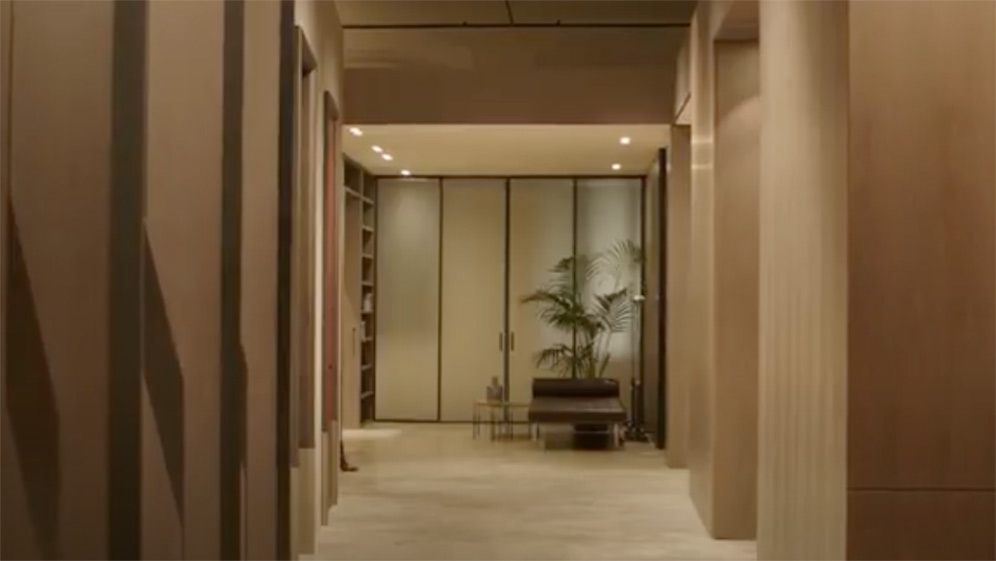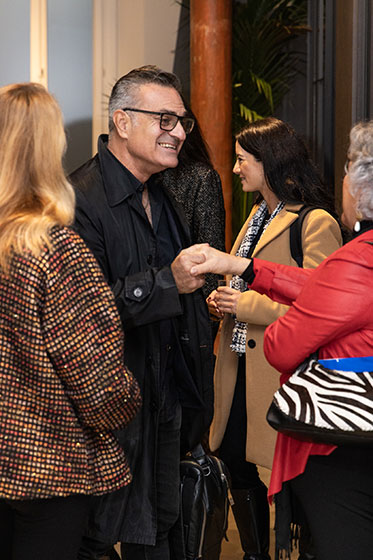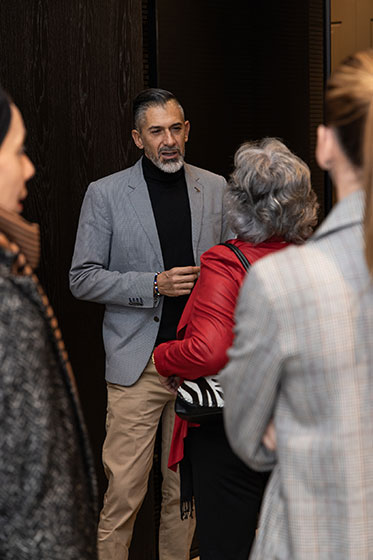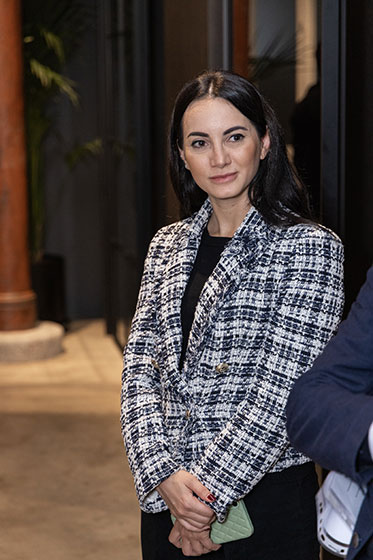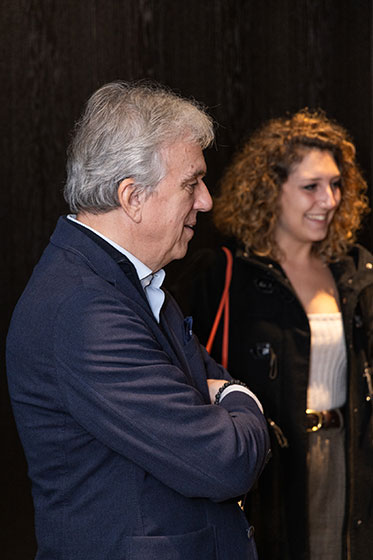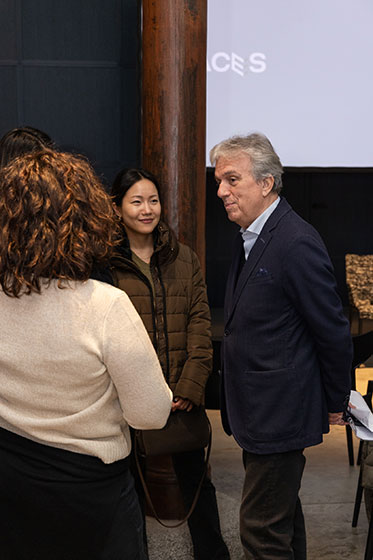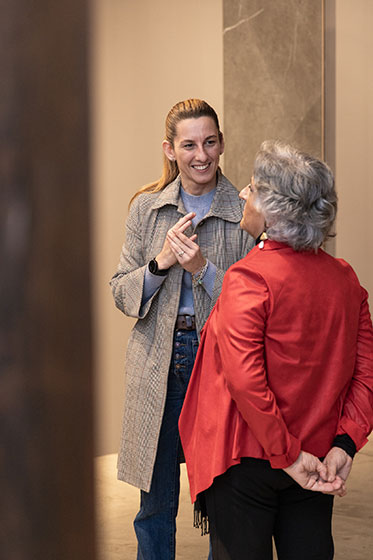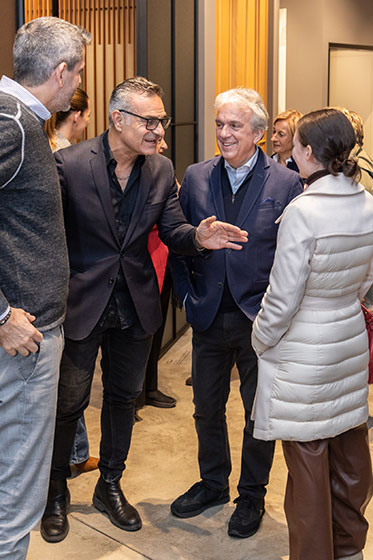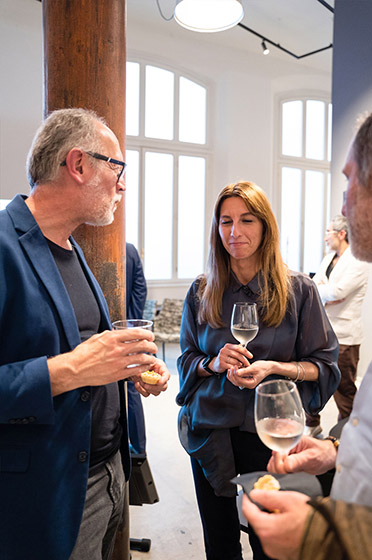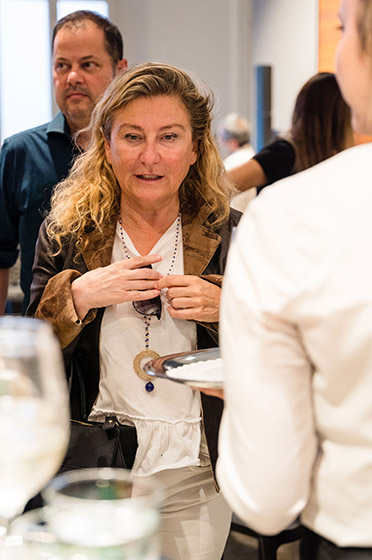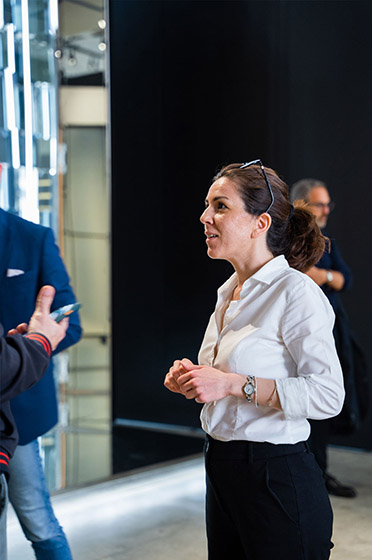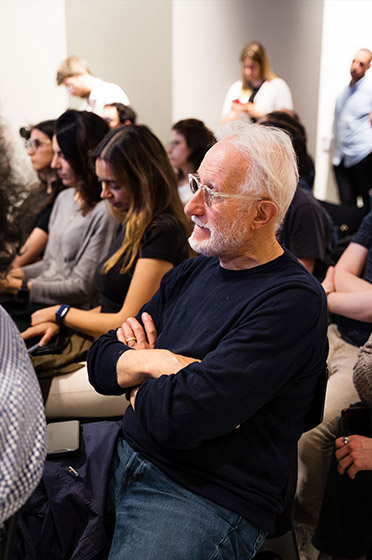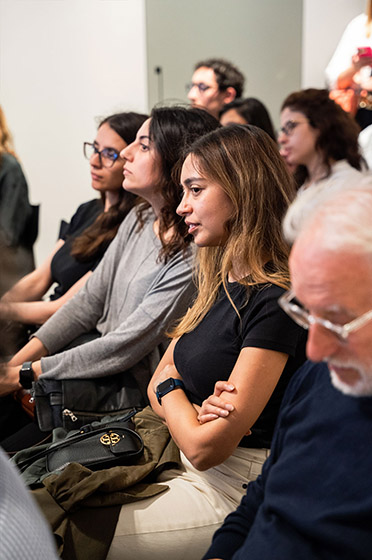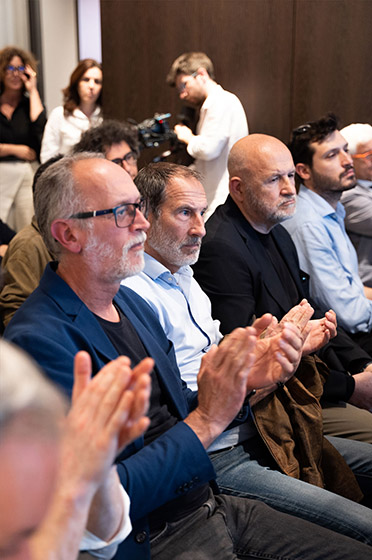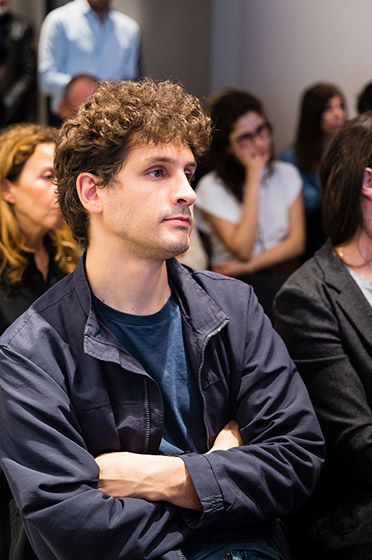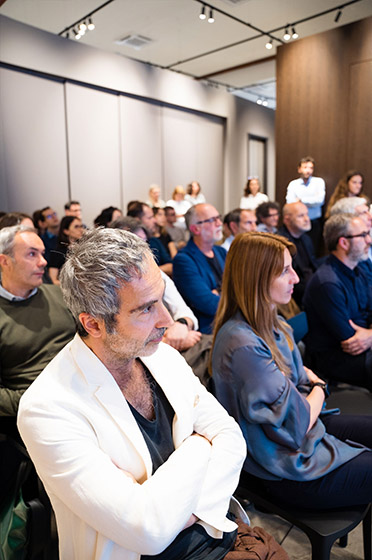
Places: hospitality spaces

Hospitality is a constantly evolving sector, attentive to social and cultural changes.

In the past, hotels were often oases dedicated to tourists and closed to the territory and the local public. Today the structures are increasingly oriented to the social context, trying to integrate and open up to the community.

This trend is driven by various factors, including the desire for greater integration and exchange with the territory, the promotion of more aware tourism and the growing demand for new services.

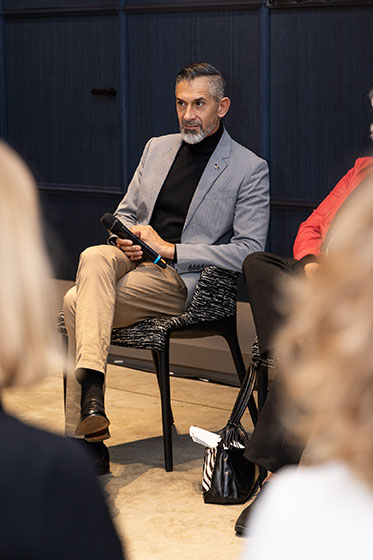
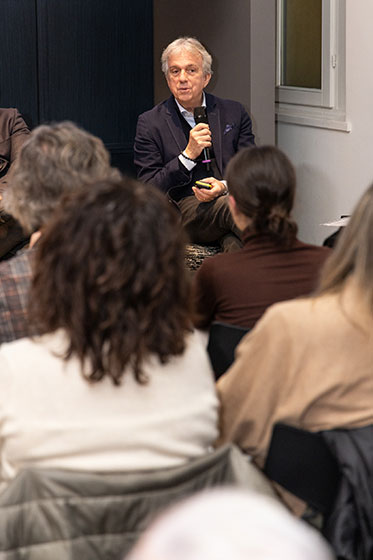
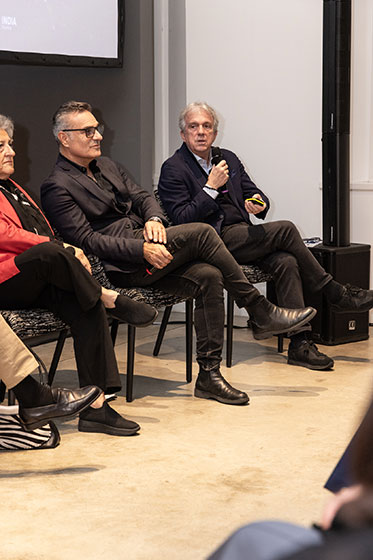
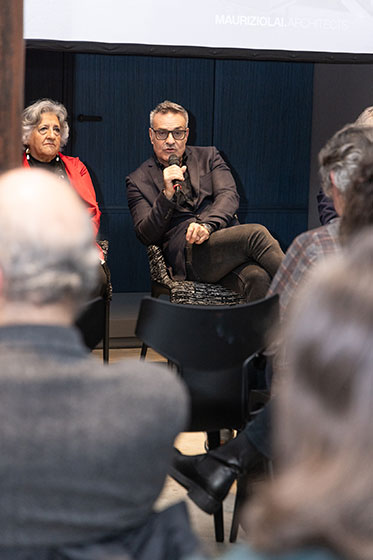
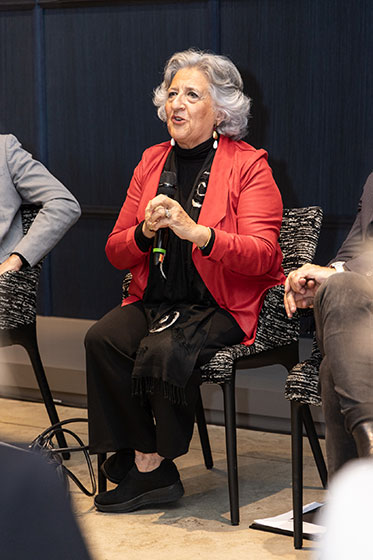
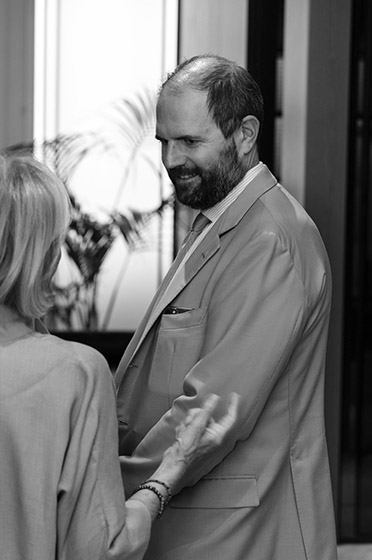
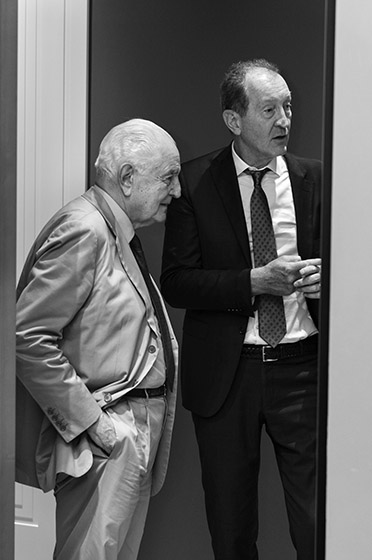
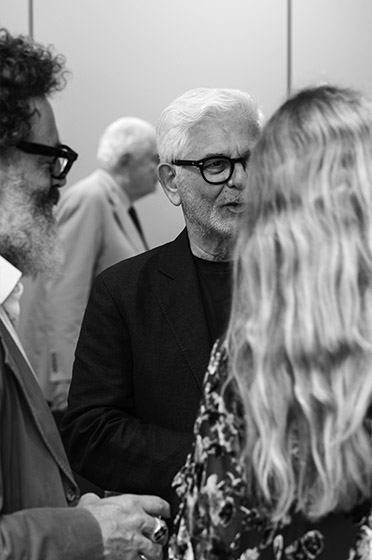
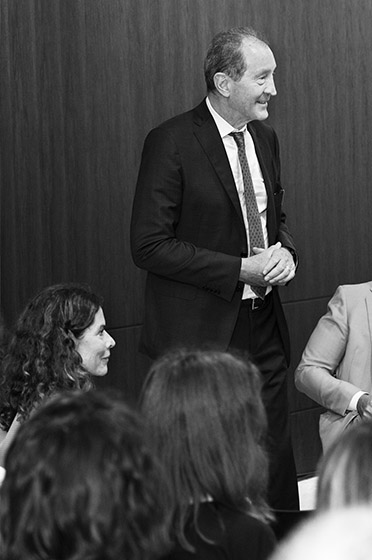
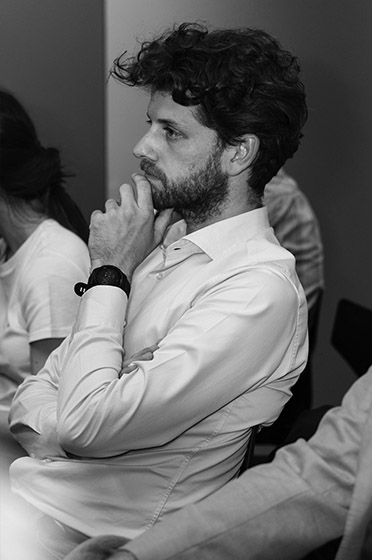
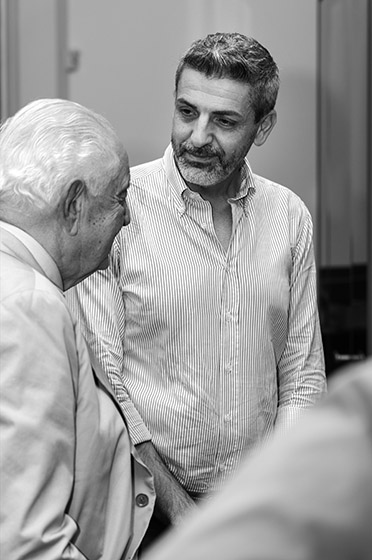
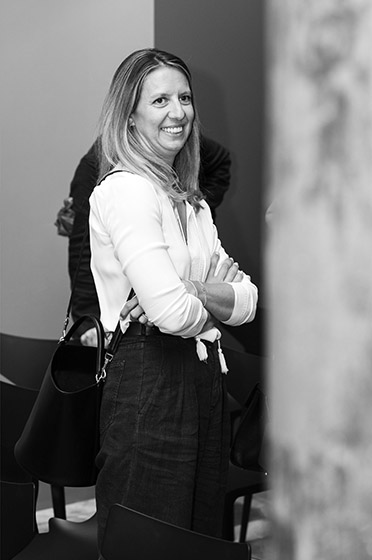
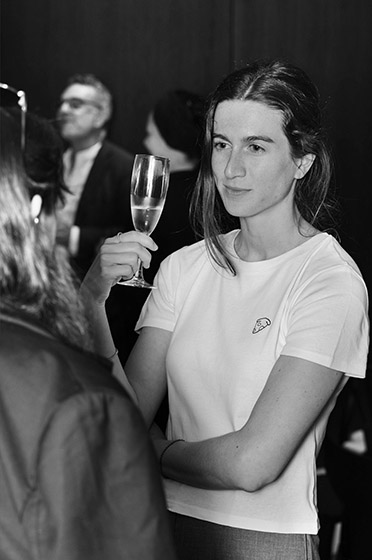
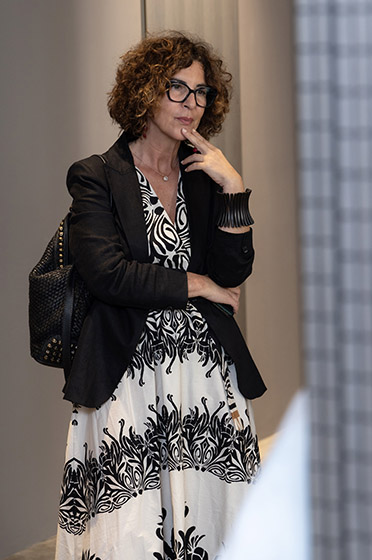
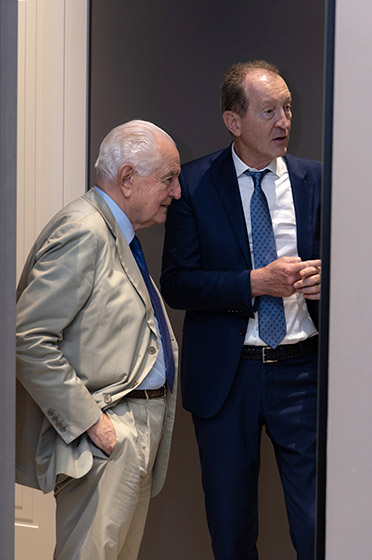
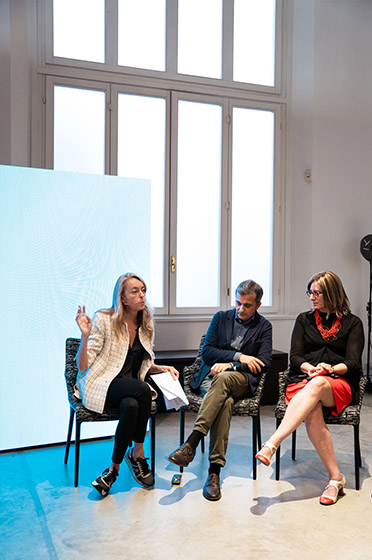
These issues were discussed by:

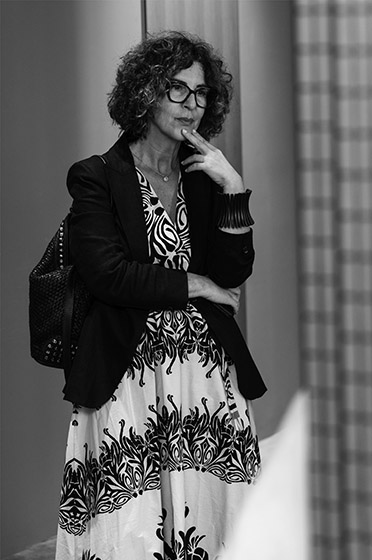
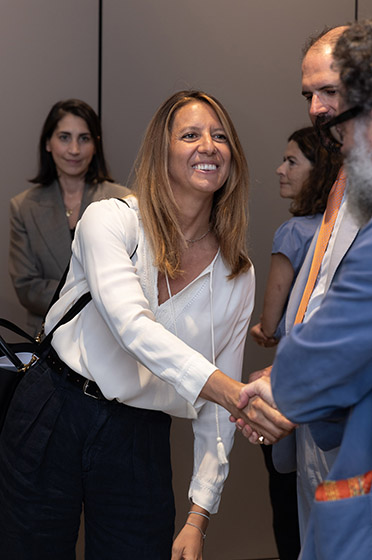
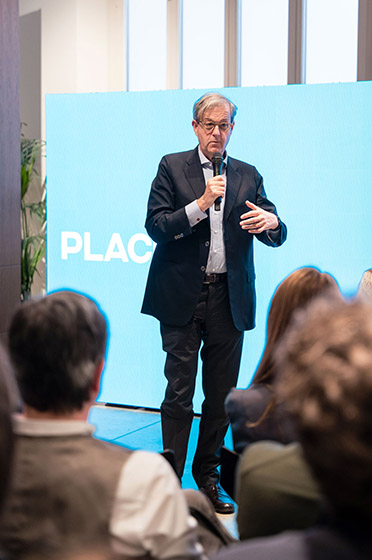
Magda Antonioli
Senior Professor at Bocconi University and Vice President of the European Travel Commission

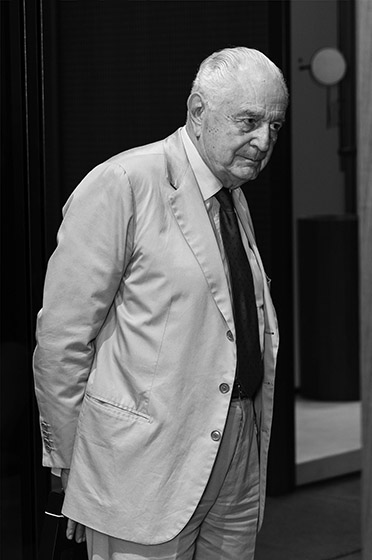
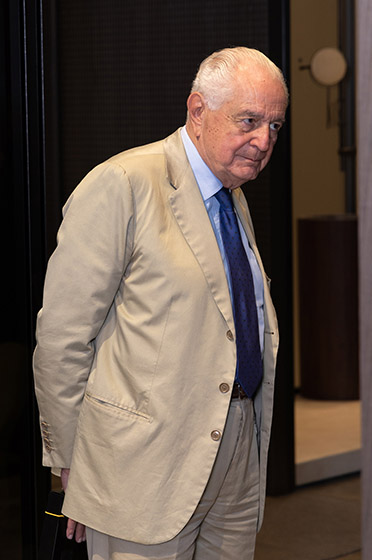
Ettore Cavallino
Senior Director Development Luxury Brands Europe & North Africa – Accor

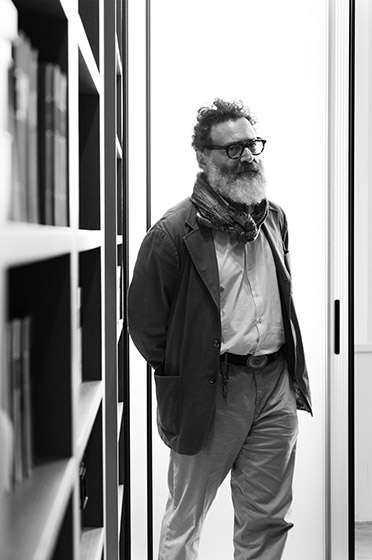
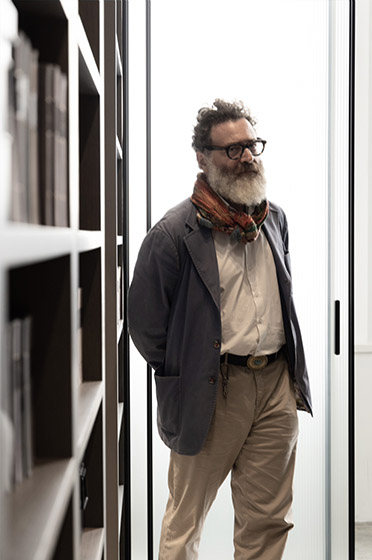
Maurizio Lai
Architect and Designer

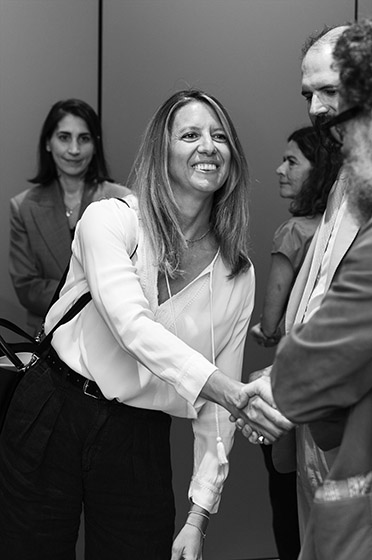
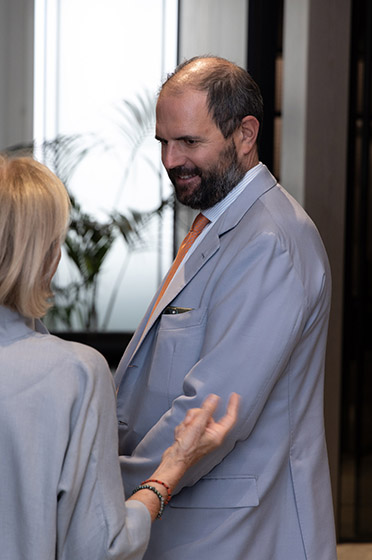
Marco Piva
Founder Studio Marco Piva

INSTAGRAM
@lualdi_official
#lualdi #lualdiplaces

Places: living spaces

The second meeting investigates PLACES OF LIVING and the relationship between domestic spaces, people, time and technology

At a time when cities are changing fast and new residential projects are modernising the urban context, the idea of “home” is expanding beyond the spatial boundary of the threshold. Places of living are no longer limited to traditional domestic spaces, but extend to a number of interconnected areas that reflect the complex relationship between people, time and technology.

New modern homes are no longer simple dwellings, but social and cultural “hubs”. Residential complexes integrate workspaces, common areas and shared services, creating a synergy between private and social life. These places are designed to promote interaction and connection between people, encouraging the formation of communities and mutual support.

Technology plays a key role in this new living landscape. Homes are equipped with smart systems that optimise energy efficiency, safety and comfort. Thanks to home automation, devices and appliances can be controlled with a simple touch, making everyday life more comfortable and customisable. In addition to this, new communication and global communication technologies allow people to remain constantly connected to each other and to the outside world, which influences their perception of time and space.

In conclusion, places of living are constantly changing, expanding the idea of home beyond traditional boundaries. The complex relationship between domestic spaces, people, time and technology generates new opportunities and challenges, requiring careful and conscious design. It is important to seek a balance between community and individuality, harnessing the potential of technology to create inclusive, sustainable and adaptable living spaces.

INSTAGRAM
@lualdi_official
#lualdi #lualdiplaces
Places: learning spaces

Lualdi, which has always followed the evolution of design and architecture, and not strictly in terms of aesthetics and function, has witnessed a profound shift in the way spaces are being designed, with a greater emphasis on the interaction between people and the places where they live and work.
A physiological evolution dictated by several enabling factors. Accessible technology, a focus on personal well-being, environmental awareness, and dialogue with the context.

Lualdi seeks to explore these themes by involving architects, designers and multidisciplinary figures able to offer different interpretations to create a discussion rich in ideas and unorthodox perspectives.
During these meetings, the various aspects of how space is conceived will be examined in relation to the specific context, to better understand how design is now the result of synergistic thinking.

Does the interplay between people, space and technology become the driving force behind the transformation of places?
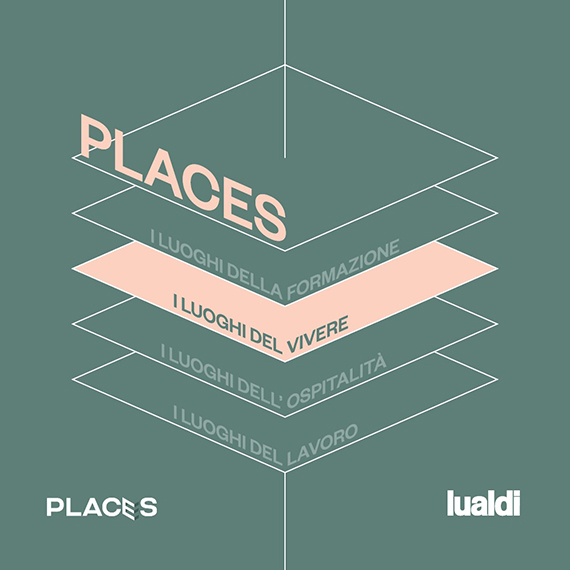
We will attempt to find the answers and identify a common thread during four talks providing a broad overview of the relationship between people and places, exploring the various aspects of spatial design with the input of experts from various fields.
The talks aim to offer a multidisciplinary perspective on the subject, enriching the discussion with new points of view and different approaches.

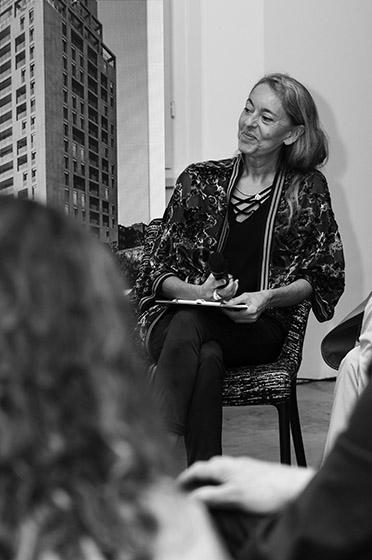
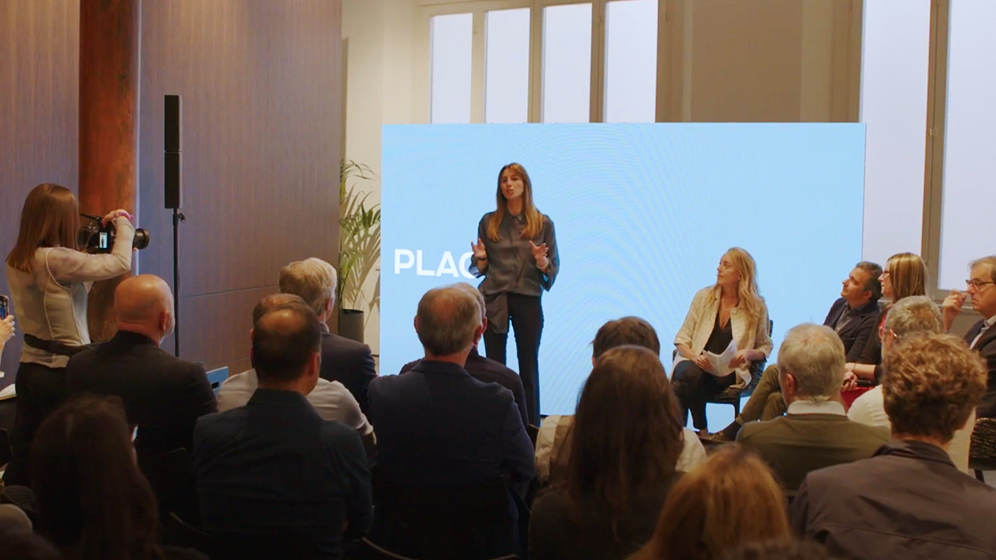
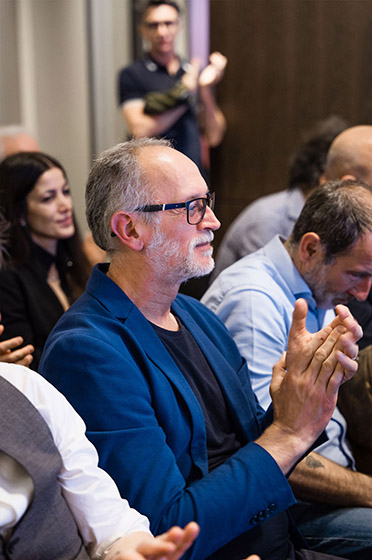
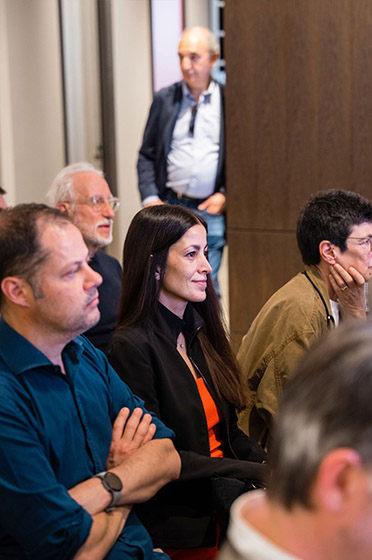
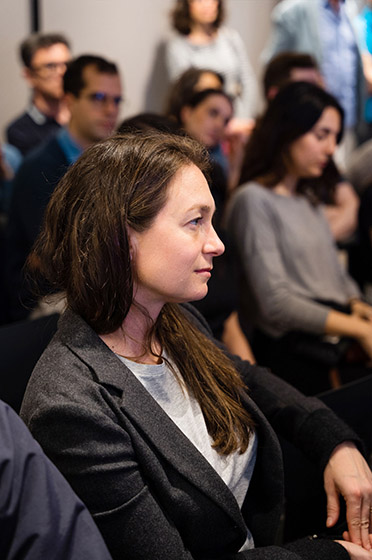
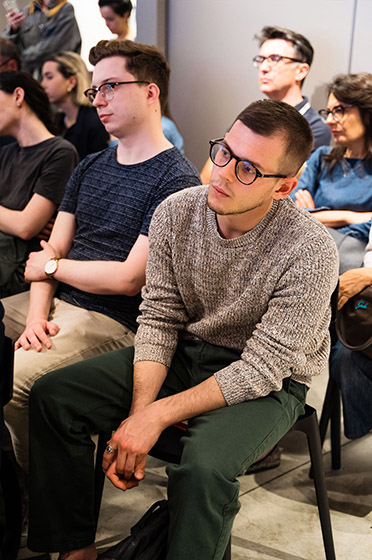
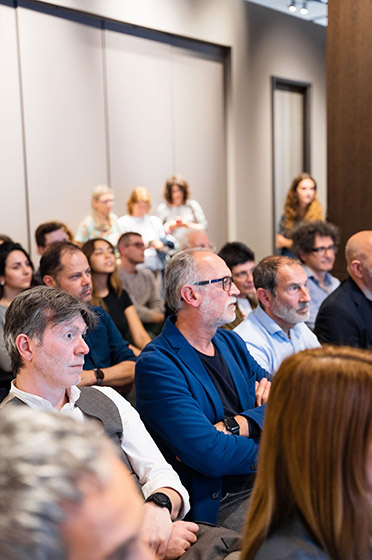
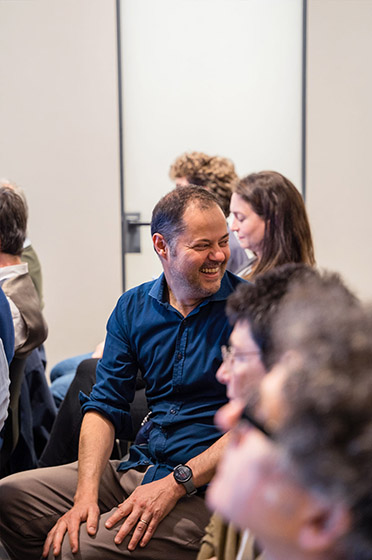
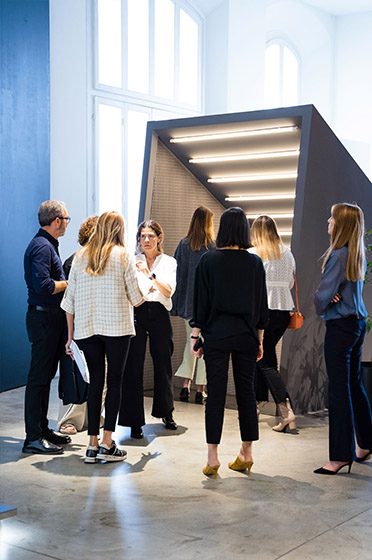
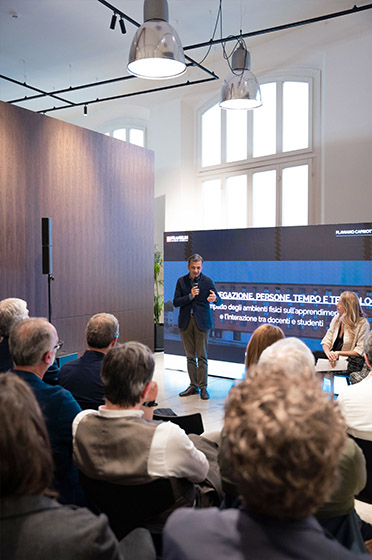
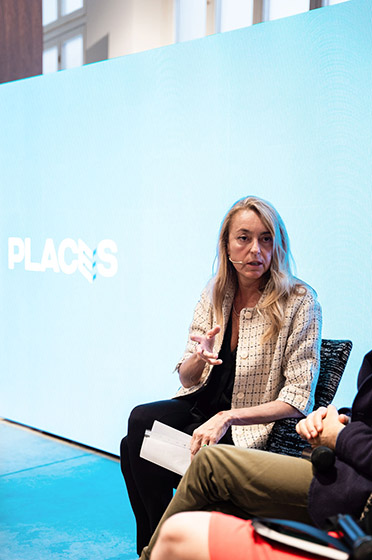
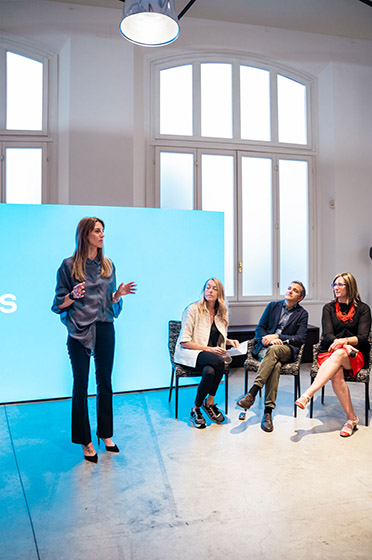
Starting with a case study, each appointment at the Milan showroom at Foro Buonaparte 74 addresses a specific aspect of everyday life, stimulating debate and new reflections, moderated by Marina Jonna, architect and journalist.
The first meeting is dedicated to LEARNING PLACES and defining the link between physical space and learning.
Society has recently experienced critical events that have tremendously impacted students. The pandemic and isolation, rising rents and career prospects have significantly affected the dropout rate.

In addition to improving the educational offer to attract Italian and international students, can the design of their learning space, interaction and services also lead to a change of course?
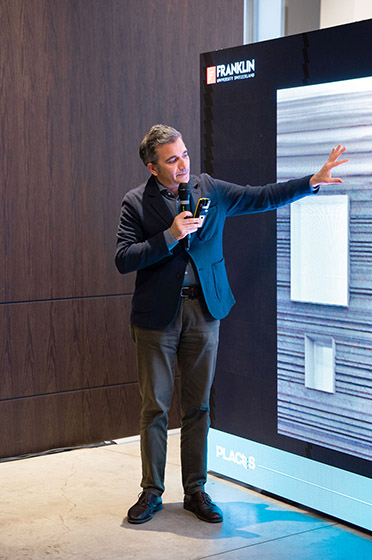
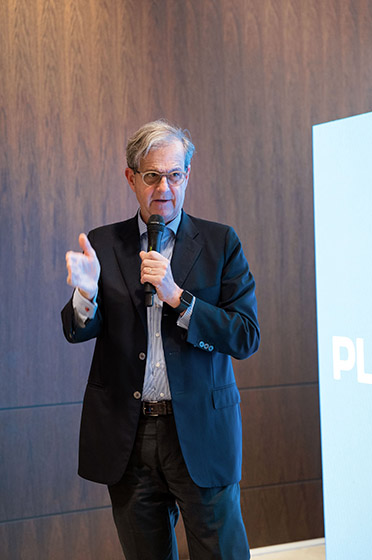
This issue was discussed by:
  • Davide Gai, Director of Marketing and Strategy, President Cabinet Member, Franklin University Switzerland
  • Flaviano Capriotti, Architetto Flavio Capriotti Architetti
  • Elena Granata, docente di Urbanistica Politecnico di Milano e Founder di Venture Thinking

INSTAGRAM
@lualdi_official
#lualdi #lualdiplaces